AI Agents 2025: The New Digital Workforce

The Dawn of the Digital Workforce
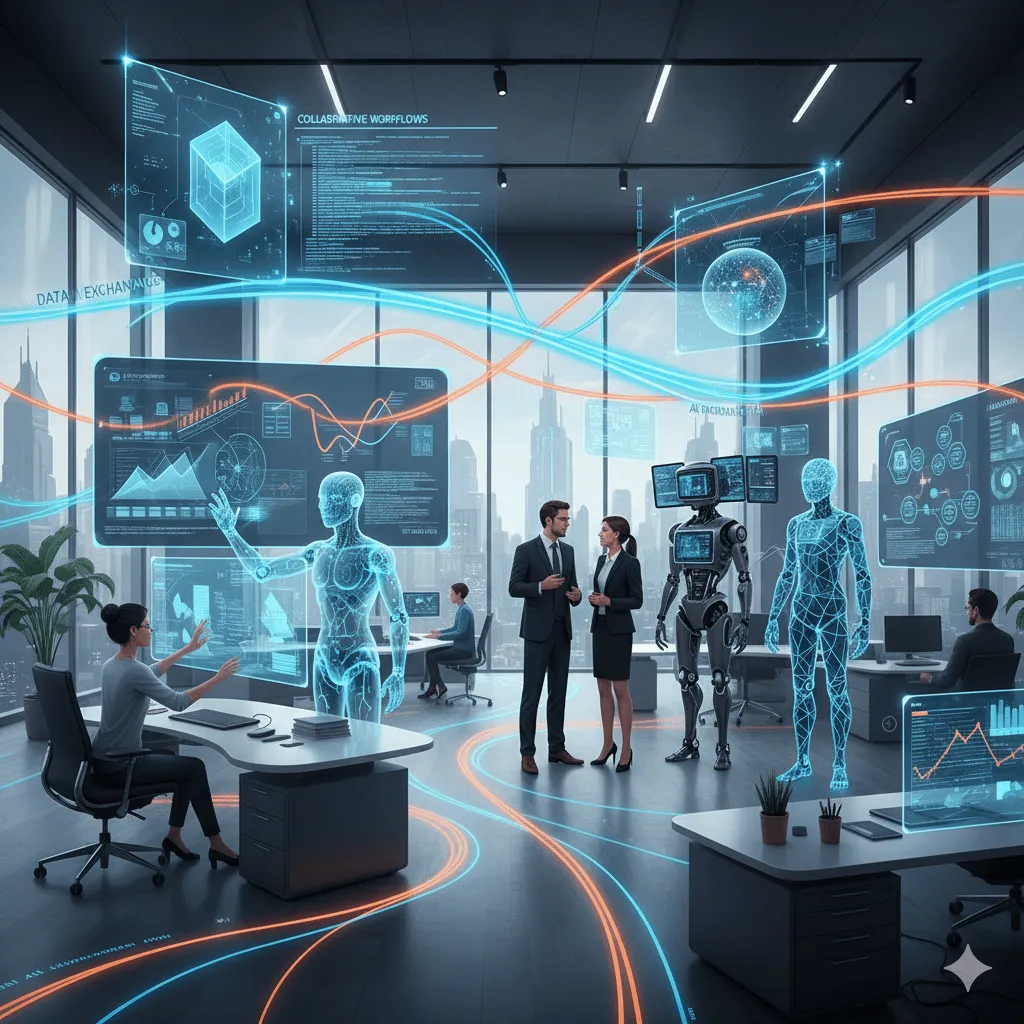
The office of 2025 looks dramatically different from what we imagined just a few years ago. At your morning standup meeting, you’re now just as likely to hear updates from your team’s AI agents as from your human colleagues. These aren’t simple chatbots responding to queries—they’re autonomous digital workers handling complex tasks, making decisions, and collaborating with both human teammates and other AI systems.
Welcome to the quiet revolution of 2025: AI agents are officially joining the workforce, and they’re not just participating—they’re becoming essential team members.
Beyond the Pilot Phase: AI Agents in Production
For years, enterprise AI initiatives struggled with the infamous “pilot-to-production” chasm. Companies invested heavily in AI experiments that rarely made it beyond the proof-of-concept stage. But 2025 marks a turning point. According to recent industry reports, we’re witnessing a significant shift as AI agents move from experimental tools to integrated workforce solutions.
What’s changed? Unlike the static AI systems of the past, today’s AI agents possess persistent memory, contextual awareness, and the ability to learn from interactions. They’re no longer just responding to prompts—they’re anticipating needs, identifying problems, and taking initiative.
Redefining Work: How AI Agents Are Transforming Roles
The Autonomous Data Analyst
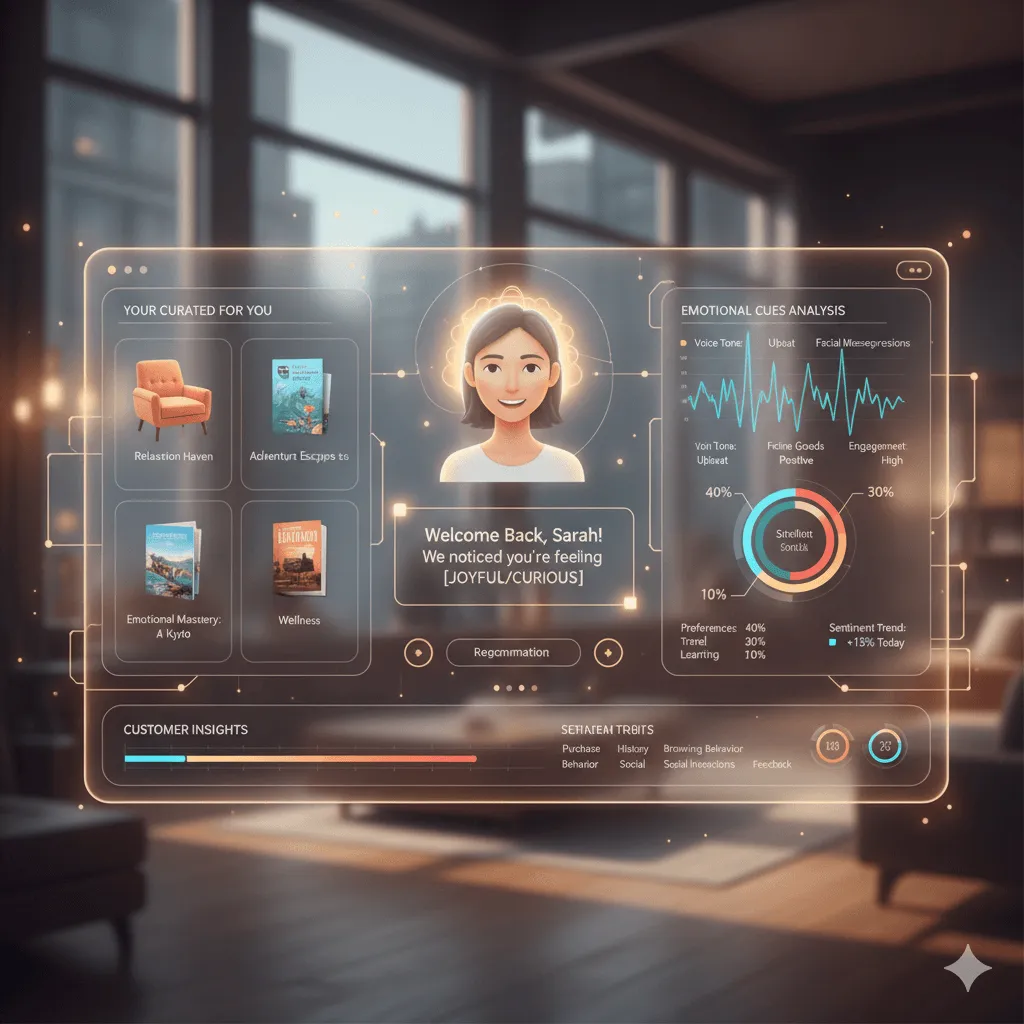
Consider Sarah, a marketing manager at a mid-sized tech company. Her AI colleague, “DataBot,” doesn’t just generate reports when asked. Instead, it continuously monitors campaign performance, identifies anomalies, and proactively suggests optimizations. When a campaign’s conversion rate drops unexpectedly, DataBot automatically investigates potential causes—checking for seasonal trends, competitor activities, and technical issues—before presenting Sarah with a prioritized action plan.
The Proactive Customer Success Agent
In customer success departments, AI agents are revolutionizing how companies maintain relationships. These agents monitor customer interactions across multiple channels, predict churn risk, and initiate contact before customers even realize they have an issue. They can autonomously resolve routine problems, escalate complex cases to human representatives with full context, and even suggest personalized upsell opportunities based on usage patterns and business changes.
The Integrated Project Manager
Perhaps most remarkably, AI agents are taking on project management roles. They coordinate between team members, track dependencies, adjust timelines based on real-time progress, and even facilitate meetings by preparing agendas, taking notes, and following up on action items. These agents work across time zones and organizational boundaries, ensuring projects stay on track without constant human oversight.
The Collaboration Imperative
The most successful implementations of 2025 aren’t replacing human workers—they’re augmenting them. AI agents excel at routine analysis, data processing, and coordination tasks, freeing human employees to focus on creative problem-solving, relationship-building, and strategic thinking.
This collaboration model requires a fundamental shift in how we think about work. Teams are now composed of both biological and digital intelligence, each contributing their unique strengths. Human employees provide creativity, empathy, ethical judgment, and complex reasoning, while AI agents contribute speed, consistency, scalability, and tireless dedication to routine tasks.
Security and Governance in the Age of Autonomous Agents
As AI agents gain autonomy, new governance challenges emerge. Organizations are developing robust frameworks to ensure these digital workers operate within defined boundaries. This includes:
- Decision Authority Levels: Clearly defining what decisions AI agents can make independently versus those requiring human approval
- Audit Trails: Maintaining comprehensive logs of agent activities for compliance and troubleshooting
- Ethical Guardrails: Implementing principles-based constraints to prevent harmful or biased actions
- Data Privacy Controls: Ensuring agents respect confidentiality and data protection regulations
Leading organizations are investing in “AgentOps” teams—specialized groups responsible for deploying, monitoring, and governing AI workforce members.
Preparing Your Organization for AI Colleagues
The transition to an AI-augmented workforce requires strategic preparation:
- Identify High-Impact Use Cases: Start with well-defined processes where AI agents can deliver measurable value without complex ethical considerations
- Invest in Integration Infrastructure: Ensure your existing systems can communicate effectively with AI agents through APIs and standardized protocols
- Develop New Skills: Train human employees to work effectively alongside AI colleagues, focusing on skills that complement agent capabilities
- Establish Governance Frameworks: Create policies and procedures for AI agent deployment, monitoring, and oversight
- Foster Cultural Adaptation: Help teams understand how to collaborate with AI agents and leverage their strengths
The Road Ahead
As we progress through 2025, the integration of AI agents into the workforce will accelerate. Early adopters are already reporting significant productivity gains, cost reductions, and improved employee satisfaction as mundane tasks are automated and human workers can focus on more meaningful work.
However, this transformation isn’t without challenges. Organizations must navigate complex questions around job displacement, skill retraining, and the evolving nature of work itself. The companies that succeed will be those that view AI agents not as replacements for human workers, but as powerful tools for human augmentation.
The future of work is here, and it’s collaborative—between humans and their AI colleagues. Those who embrace this partnership thoughtfully and strategically will find themselves at a significant competitive advantage in the transformed business landscape of 2025 and beyond.